Gary Young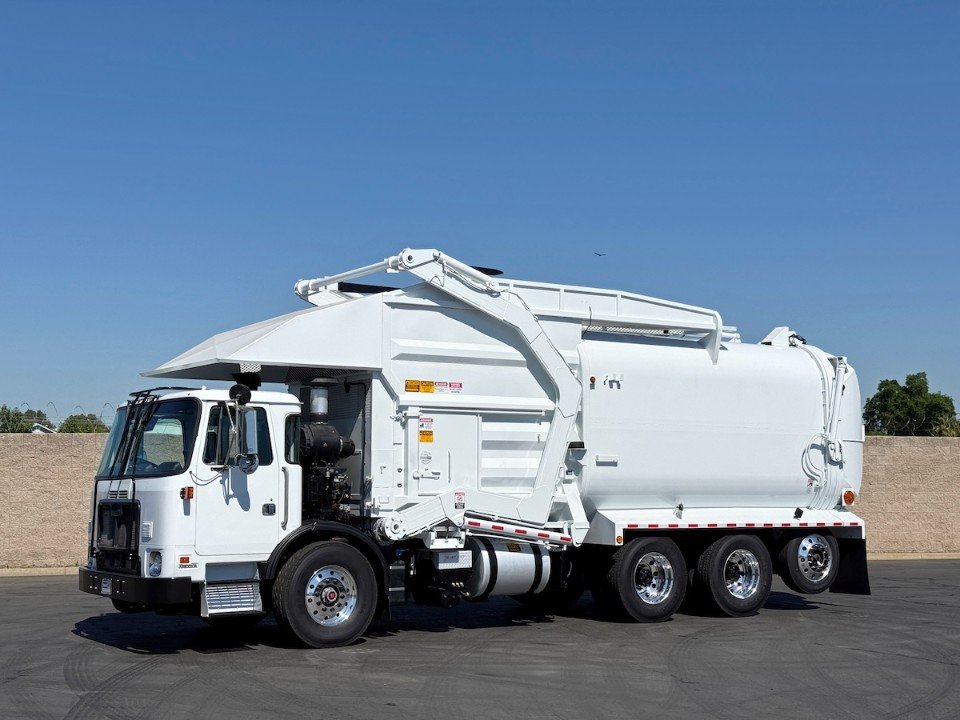
Purchasing a refuse truck is a major investment for waste management companies, municipal departments, and commercial collection contractors. The selected vehicle must meet daily collection requirements, fit the available budget, and remain practical to maintain throughout its service life. McNeilus refuse trucks are available in different configurations for residential, commercial, and specialized waste collection applications. Before making a purchase, buyers should evaluate vehicle specifications, operating conditions, maintenance needs, and long-term ownership costs to determine which option best suits their business.
Identify Your Waste Collection Requirements
The first step in purchasing a refuse truck is understanding the work it will perform. Residential collection, commercial dumpster service, and municipal sanitation programs have different operational requirements.
Residential routes may involve frequent stops, narrow roads, and standardized carts. Commercial operations may require vehicles capable of handling compatible dumpsters and heavier waste loads. Specialized programs may also need equipment designed for separate waste streams or particular collection methods.
Buyers should document the expected number of stops, average waste volume, route distances, disposal facility locations, and collection frequency. These details provide a practical basis for comparing available McNeilus refuse trucks.
It is also important to consider future demand. A company planning to expand its service area may need a different capacity or configuration than a business maintaining a stable collection route.
Compare Truck Configurations
McNeilus refuse trucks include front loaders, rear loaders, and side loaders designed for different collection methods.
Front loaders are commonly used for compatible commercial dumpsters. Rear loaders can support a range of residential and light commercial routes, while side loaders can be appropriate for collection systems using compatible carts.
Buyers should evaluate the loading mechanism, body dimensions, compaction capability, container compatibility, and available working space. They should also consider whether the vehicle can access customer properties safely and maneuver effectively on its intended routes.
A truck should be selected according to its practical application rather than brand recognition or advertised specifications alone. Comparing multiple suitable configurations helps buyers understand which features offer genuine value for their operations.
Assess Capacity and Payload Requirements
Body capacity is an important purchasing consideration, but it should not be evaluated separately from payload limits.
Compaction systems reduce the volume of waste, helping operators make effective use of available body space. However, the density of the collected material can cause a vehicle to reach its legal weight limit before the body is full.
Buyers should examine chassis ratings, axle limits, body specifications, and applicable local regulations. They should also estimate the typical composition of the waste being collected.
A truck designed for lightweight residential garbage may not be the most economical choice for a route involving dense commercial waste. Matching capacity to actual requirements can help businesses avoid unnecessary costs and operational limitations.
Consider New and Used Equipment
New and used refuse trucks can serve different purchasing needs. New vehicles may offer current configurations and equipment options, while used vehicles may provide a lower initial purchase cost.
When evaluating a used McNeilus refuse truck, buyers should review its maintenance history and arrange an appropriate inspection. Important areas include the chassis, refuse body, hydraulic systems, loading mechanisms, compaction equipment, electrical systems, and safety components.
They should also check for recurring faults, visible damage, and signs of inadequate maintenance. The age of the truck alone does not establish its condition, so decisions should be based on documented service history and a professional assessment.
Any purchase agreement should clearly identify the vehicle configuration, included equipment, warranty terms where applicable, and responsibilities for outstanding repairs.
Calculate Total Cost of Ownership
The purchase price is only one component of the total cost of owning a refuse truck. Fuel, insurance, labor, scheduled servicing, repairs, replacement parts, and downtime can significantly affect the overall expense.
Buyers should estimate annual operating costs using realistic mileage, collection volumes, and maintenance assumptions. They should also consider how long they expect to keep the vehicle and whether it can be used efficiently on the intended routes.
A lower-priced truck may not offer the best long-term value if it requires frequent repairs or has limited compatibility with the company’s collection system.
Comparing total ownership costs across suitable options helps businesses make decisions based on expected performance and financial practicality rather than initial price alone.
Check Parts Availability and Service Support
Access to compatible replacement components is important for maintaining vehicle availability. A truck may become expensive to operate if essential parts are difficult to source or repairs take longer than expected.
Before purchasing, buyers should identify suppliers that can support the specific vehicle and body configuration. They should ask about parts availability, delivery times, technical documentation, warranty conditions, and repair capabilities.
When sourcing McNeilus truck parts, accurate identification is essential. Buyers should retain the vehicle identification number, body model, body serial number, and other relevant equipment details. The chassis VIN and refuse body identification are not always interchangeable for parts ordering.
A clear parts procurement process helps prevent ordering errors and supports more organized maintenance planning.
Evaluate Ten-8 Industrial as a Support Option
Ten-8 Industrial provides McNeilus refuse truck sales, parts, maintenance, and service support within its designated southeastern United States territory, including Alabama, Florida, Georgia, and Mississippi.
Buyers in that region can investigate Ten-8 Industrial when comparing equipment and after-sales support. Its listed services include refuse body diagnostics and repairs, hydraulic systems, compactors, automated arms, and preventive maintenance.
Before making a decision, buyers should confirm current product availability, geographic coverage, service response arrangements, and compatibility with the proposed vehicle.
Supplier support should be evaluated alongside the truck itself because maintenance access and replacement-part availability can affect long-term operating costs.
Review Safety, Ergonomics, and Compliance
Safety features and operating procedures deserve careful consideration during the purchasing process. Drivers need suitable visibility, accessible controls, and equipment that can be operated safely in the intended environment.
Buyers should review applicable safety systems, inspection requirements, vehicle dimensions, and legal weight restrictions. They should also consider whether the truck’s design is appropriate for the experience level of the workforce and the physical conditions of the collection routes.
Operator training should be included in the transition plan when a new vehicle introduces unfamiliar controls or loading equipment.
Plan for Future Fleet Needs
A purchasing decision should account for more than immediate collection requirements. Businesses should consider expected customer growth, future route changes, staffing needs, maintenance resources, and the compatibility of the vehicle with their existing fleet.
Standardizing selected configurations may simplify training and parts inventory, although different routes may still require different vehicle types.
Buyers should compare the expected service life, maintenance requirements, and resale considerations of each suitable option. These factors can help determine whether a particular truck fits the company’s long-term operating strategy.
Conclusion
Buying McNeilus refuse trucks requires careful evaluation of collection requirements, vehicle configuration, payload limits, purchase price, and maintenance support. New and used options should be assessed according to their condition, intended application, and total ownership costs.
Buyers should also verify replacement-part availability and research service providers such as Ten-8 Industrial where applicable. A well-planned purchasing process helps waste management businesses select suitable equipment, reduce avoidable expenses, and maintain dependable collection services over the long term.



 Jordan Rodriguez